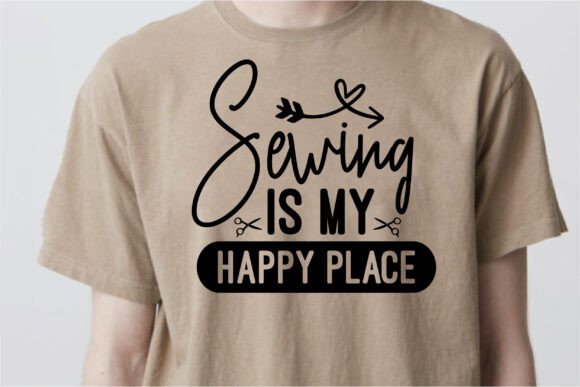
Evaluating 'Sewing is My Happy Place' for Real Embroidery Projects
As a designer who stitches for clients and for my own small shop, I don’t just look at a file and assume it’s good. I imagine it stitched out, on a real product, in a customer’s hands. Today, I’m thinking through the ‘Sewing is My Happy Place’ embroidery design from that practical perspective.
The Immediate Mood and Visual Personality
First impressions matter, especially when a customer is browsing your Etsy listings or craft fair table. ‘Sewing is My Happy Place’ has a cheerful, affirming personality. The layout suggests a handmade, heartfelt feel—it’s not a cold, corporate graphic. This mood is perfect for products aimed at fellow crafters, hobbyists, or as a personalized gift for someone who loves their sewing machine. The theme is clear and universally positive, which makes it a safe bet for appealing to a wide audience while still feeling specific and genuine.
A Natural Fit for Everyday Projects
Let’s talk about where this design naturally belongs. I immediately pictured it on a mid-weight cotton tote bag—a practical item for a crafter to carry their supplies. The sentiment is a perfect match. It would also shine on a cozy sweatshirt for a sewing enthusiast, creating a personal uniform of sorts. For a baby item, like a little bib or a nursery pillow cover for a crafty parent, it adds a sweet, thematic touch. As a simple patch, it could be applied to an apron or a kitchen towel, turning utilitarian items into statements. These are the real-life embroidery situations where ‘Sewing is My Happy Place’ feels like a natural, value-adding element.
Considering Scale and Fabric Texture
In practical use, the scale of the design is crucial. Since we’re dealing with a graphics file for t-shirt designs, I’d advise testing the stitchout on scrap fabric first to gauge its true size. On a cap or a hat with a curved surface, the design’s dimensions need to work within the smaller, curved hoop area. For textured fabrics like a knitted blanket or a thick towel, the stitch clarity of smaller details might be challenged. Thin or stretchy fabrics will demand careful stabilizer choice to prevent puckering, especially if the design has areas of dense stitch fill.
Dark fabric is another key consideration. The visual appeal of ‘Sewing is My Happy Place’ hinges on good contrast. I’d recommend running a test on a dark background with lighter thread colors to ensure the message pops and retains its cheerful mood. This directly affects the finished product’s professionalism and the customer’s trust in your craftsmanship.
Where This Design Requires a Careful Approach
Every embroidery file has its sweet spots and its caution zones. For ‘Sewing is My Happy Place’, pay close attention to any tiny lettering or very fine decorative accents. On products that undergo frequent washing, like apparel or kitchen linens, dense stitch areas can wear differently than open areas. Inspect the small details in your test stitchout—are they clear and durable? Also, layered garments with seams or pockets might interfere with the design’s placement; you’ll need to hoop carefully to avoid awkward overlaps.
For commercial embroidery projects or small business merchandise where consistency is key, ensure the design stitches cleanly every time. A design that runs well builds brand consistency and makes your production process smoother.
The Impact on Your Business and Your Buyer
Using a design like this isn’ just about stitching; it’s about the final presentation. On a handmade product, ‘Sewing is My Happy Place’ enhances the giftability and recognition of the item. It speaks directly to a niche audience, which can boost buyer engagement in your shop. For digital product sellers offering printable mockups or using it as a design asset in your own creations, its clear, positive message adds value. However, always confirm the licensing terms before selling finished items. The product description mentions it can be used for many purposes, but for commercial embroidery, clarity on those terms is essential for your peace of mind.
Practical Notes for the Embroidery Designer
Before you commit this design to a client’s custom apparel or your next batch of boutique products, run through this checklist. Test it on scrap fabric identical to your final project material. Check thread color contrast against both light and dark fabric backgrounds—sometimes a simple black and white mockup can reveal clarity issues. Review the stitch density in your test; is it appropriate for your chosen fabric? Confirm the hoop size needed; does it fit your project’s dimensions?
Always use the proper stabilizer for the fabric. For a design destined for a tote bag or a pillow cover, a firmer stabilizer might be needed than for a baby’s soft jersey knit. Finally, compare how it looks in different contexts. Does ‘Sewing is My Happy Place’ work equally well as a personal gift and as a commercial product for your craft business? Your answer will tell you where its true strength lies.
In summary, ‘Sewing is My Happy Place’ is a design with a warm, straightforward appeal that fits naturally into a maker’s world. Its real value comes from your thoughtful application—choosing the right project, preparing the fabric correctly, and stitching it with care. That’s how a digital embroidery file becomes a beloved finished product.