Class of 2026 Graphics: A Designer’s Review for Marketing & T-Shirt Designs
Opening the Class of 2026 design bundle, my first impression is one of celebratory clarity. This graphic design asset immediately communicates a milestone, a moment of achievement. The mood it creates is optimistic, forward-looking, and inherently communal. For a brand owner or content creator, this emotional tone is gold. It feels perfectly suited for casual, heartfelt branding—think lifestyle content around graduation, event promotions for schools or clubs, or merchandise that taps into a shared identity. It leans more towards authentic connection than cold, premium visuals, making it ideal for campaigns that need to feel personal and inclusive.
Fitting Class of 2026 Into a Real Marketing Project
Let’s frame this around a real case. Imagine a small business, perhaps an online coach or a creative entrepreneur, launching a limited-edition product line for graduating students. Or a blogger building a content kit for “Future Leaders” themed Pinterest graphics. Class of 2026 becomes a foundational visual element. In the workflow, after defining the campaign colors and message, this digital product is dropped into mockups. It can act as a hero graphic on the launch page, a decorative element on product labels for commemorative t-shirts, or the unifying visual across a series of Instagram posts and Facebook ads. Its strength is in providing instant thematic cohesion.
Where This Design Asset Excels in Brand Communication
For practical branding and marketing, Class of 2026 performs exceptionally well in specific applications. Its clear, often bold numerals create a strong visual hierarchy, making it perfect for attention-grabbing use. Consider it for:
- Social Media Graphics: Instagram post highlights or Pinterest pins announcing a countdown or celebration.
- Campaign Headers & Email Banners: Creating a memorable first impression for a digital campaign.
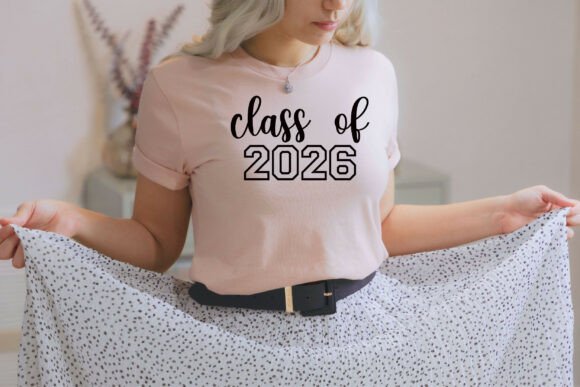
- Product Presentation: As a central graphic on t-shirt designs or as an accent on packaging inserts for related merchandise.
- Branded Templates & Lead Magnets: Incorporated into Canva templates for a media kit or a downloadable celebratory poster.
- Event Promotions: For flyers, digital ads, or website headers promoting a class reunion or graduation event.
In these roles, it supports marketing goals like stronger recognition, better engagement, and a more professional appearance for what could otherwise look like a DIY project. It lends a finished, commercial design feel.
The Mood It Creates & The Audience It Attracts
The emotional resonance here is key. Using Class of 2026 signals specificity and belonging. It attracts an audience that identifies with that year—students, parents, alumni, educators. For a brand, this allows you to speak directly to a niche community, building trust and emotional connection. In content marketing, using this graphic asset on blog graphics or editorial design for a related article immediately sets the tone and primes the reader for a focused, relevant message. It tells your audience you understand their unique moment.
Practical Designer Notes for Professional Use
Before hitting publish on any campaign, a brand designer runs tests. Here’s my checklist for using Class of 2026 effectively:
- Color Palette Integration: Test it with your brand colors. Does it maintain clarity and impact when colors are altered?
- Readability & Scale: Preview it on mobile screens and in small sizes, like on a product label. Ensure the key elements remain legible.
- Font Pairing: Compare it against your typical font styles. How does it pair with a clean sans-serif for modern branding? Does it clash with a delicate script? Often, a bold display font complements it well.
- Spacing & Balance: When placing it in a layout—a social media graphic or a website header—review the spacing around it. It shouldn’t feel crammed or compete with your core message.
- Commercial Licensing: Always confirm the license for commercial use before deploying it in paid ads, client work, or permanent business branding. This is crucial for professional peace of mind.
Limitations & Where to Use It Carefully
No graphic design asset is universally perfect. Class of 2026 should be applied thoughtfully in certain contexts. Avoid using it as a primary element in:
- Formal Corporate Branding: It’s inherently thematic and may not suit a generic, year-round corporate identity.
- Dense Information Layouts: In text-heavy ads or blog graphics, it could become visual clutter if not given ample space.
- Overly Minimal Brands: If your brand aesthetic is extreme minimalism, this illustrative bundle might introduce too much decorative weight.
- Low-Contrast Backgrounds: Always check for readability; some versions may fade on subtle backgrounds.
The goal is to let it support your message, not compete with it. In a simple poster or merchandise design, it can shine. In a complex infographic, it might distract.
Building Visual Consistency Across a Campaign
For a marketer or social media manager, consistency is currency. Class of 2026, as a contained design bundle, offers a fantastic shortcut. By using elements from the same set across your Pinterest graphics, Facebook ads, and email banners, you create a seamless visual journey for your audience. This repeated recognition builds stronger brand association for your campaign, even if it’s a temporary one. It helps package a product launch or seasonal offer as a cohesive, professional package rather than a collection of disparate visuals.
From Digital Download to Real-World Impact
Remember, what you receive is a digital download—a single zip file of versatile graphics. Its value is unlocked in application. For the digital seller or product creator, these SVG or PNG designs become the building blocks for printable promotions, digital product visuals, or decorative brand elements on your website. They move from being a file on your computer to a tool that improves audience trust through polished presentation. They help your content attract attention without looking messy, because they provide a professionally crafted centerpiece.
In the end, Class of 2026 is more than clipart; it’s a thematic anchor. For a creative entrepreneur targeting a specific, nostalgic, or aspirational audience, it provides a ready-made visual vocabulary. It allows you to communicate a complex idea—a shared future, a celebrated past—with simplicity and style. Used wisely, with attention to color, scale, and context, it can elevate your marketing materials from generic to genuinely resonant. Just ensure it always serves your brand story, and your campaign will not only look good—it will feel right.