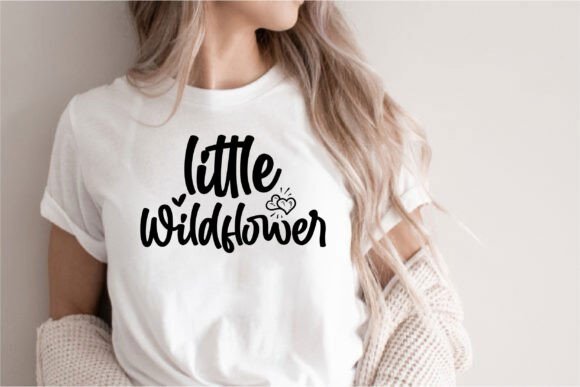
Little Wildflower Graphics: A Brand Designer's Review for T-Shirt Designs
Opening the Little Wildflower bundle, my first impression is one of gentle, organic charm. This isn't a loud, geometric graphic design asset; it’s a soft whisper. It immediately creates a mood of authenticity, nature, and crafted care. The emotional tone leans towards warmth, nostalgia, and a handmade sensibility. For a brand designer looking to communicate these values, this asset feels exceptionally suitable for lifestyle content, products with a story, casual yet premium branding, and event promotions that aim for a personal touch.
The Mood It Creates & The Audience It Attracts
Imagine you're launching a new line of herbal teas or promoting a seasonal workshop on gardening. Little Wildflower doesn't scream "buy now." It invites. Its visual language suggests quality, attention to detail, and a connection to simpler things. This directly influences audience perception, fostering trust and an emotional connection before a single sales pitch is made. It speaks to an audience valuing authenticity over slick corporate gloss, making it a powerful tool for bloggers, creative entrepreneurs, and small business branding in niches like wellness, handmade goods, or sustainable living.
Putting Little Wildflower Into a Real Marketing Campaign
Let's frame this around a real project: a small business is preparing a content kit for a Spring product launch. They need cohesive visuals across Instagram posts, Pinterest pins, email banners, and even packaging inserts. Little Wildflower can become the decorative thread tying this campaign together. Its illustrations can serve as subtle background elements for social media graphics, elegant accents on product labels, and beautiful headers for the launch blog post. This consistency builds stronger recognition and a more professional appearance across every touchpoint.
Where This Design Asset Excels in Your Visual Strategy
In practical application, Little Wildflower performs beautifully as a supporting actor in your brand identity. It won't replace your logo, but it will enrich the space around it. Think of it as a versatile player for:
- Hero Graphics & Campaign Headers: Adding organic texture to a website header announcing a new collection.
- Branded Templates & Social Media Covers: Creating a recognizable visual theme for your Canva templates.
- Packaging Accents & Product Labels: Providing a delicate border or corner detail that elevates product presentation.
- Content Bundles & Editorial Layouts: Breaking up text in lead magnets or media kits with tasteful illustrations.
- Promotional Banners & Email Graphics: Offering a softer alternative to bold, generic clipart for digital ads.
Its role is to support marketing goals like clearer visual hierarchy, better engagement through aesthetic appeal, and a more memorable campaign visual without overpowering your core message.
Navigating the Practicalities of Professional Use
As an experienced content marketer, I never drop a new graphic design asset into a live campaign without testing. Here are my essential notes for using Little Wildflower effectively.
Critical Compatibility Checks for Your Brand
First, test it with your brand color palette. Does it harmonize when your primary color is applied? Check its behavior in black and white for potential print scenarios. Crucially, place it inside real mockups: preview it on mobile screens where details can get lost, and test readability when used small alongside text. Compare it against competitor visuals to ensure it helps you stand out, not blend in.
Font Pairing and Balance Observations
This asset pairs wonderfully with script or handwritten font styles for a fully cohesive organic feel. It also creates a beautiful contrast with clean sans serif fonts, letting the modern typography and rustic illustration balance each other. With serif fonts, it leans classic; with display fonts, careful spacing is key to avoid looking messy. Always review the spacing and balance when you combine it with your copy.
The Careful Considerations: Where to Use It Mindfully
While versatile, Little Wildflower has a specific character. It should be used carefully in certain contexts. Its detailed, natural form may clash with formal corporate branding seeking a minimalist, tech-forward look. Avoid dense information layouts where it could become visual clutter. On very small mobile graphics, the intricate details might not render clearly. Be wary of low-contrast backgrounds that diminish its visibility. For text-heavy ads or designs where the asset competes with the main message, scale it down or use it with significant transparency. Its strength is in accent and atmosphere, not in carrying dense data.
Licensing and Final Pre-Campaign Step
For any commercial design, client work, or business branding, the final, non-creative step is paramount: confirm the commercial licensing. Since Little Wildflower is a digital product download, ensure its terms cover your intended use in paid campaigns, on physical merchandise like t-shirt designs, and across your marketing visuals. This due diligence protects your brand and your investment.
Why Little Wildflower is a Strong Asset for Content Creators
In the crowded space of digital marketplaces, a graphic design asset that offers both aesthetic specificity and practical flexibility is gold. Little Wildflower provides a coherent set of illustrations that can elevate a brand's visual story from fragmented to consistent. For the social media manager needing quick, beautiful Pinterest graphics, the online coach designing a serene workbook, or the product creator crafting elegant digital product visuals, this bundle solves a key problem: achieving a professional, attractive look without requiring custom illustration for every project. It empowers small business owners to build stronger first impressions and foster improved audience trust through thoughtful, consistent design.
Ultimately, Little Wildflower is more than just a folder of SVG and PNG files. It's a tool for building a visual mood. When integrated thoughtfully into your brand communication—from your website headers to your printable promotions—it helps you not only attract attention but do so with a voice that feels genuine, crafted, and quietly confident.