From ZIP File to Editorial Asset: Sewing Room Graphics Reviewed
In the daily workflow of a digital publisher, a design asset arrives not as a product, but as a potential partner. You download a ZIP file, unpack its contents, and begin the crucial assessment: will this elevate your content, or simply decorate it? Today, that asset is Sewing Room. As a bundle of graphics positioned in the T-shirt design category, its immediate impression is one of crafted charm and niche-specific artistry. This review is not about its use on fabric, but about its translation into the digital publishing ecosystem—for featured images, Pinterest pinnables, and the entire visual architecture of a content-driven website.
The First Editorial Impression: Crafting a Visual Mood
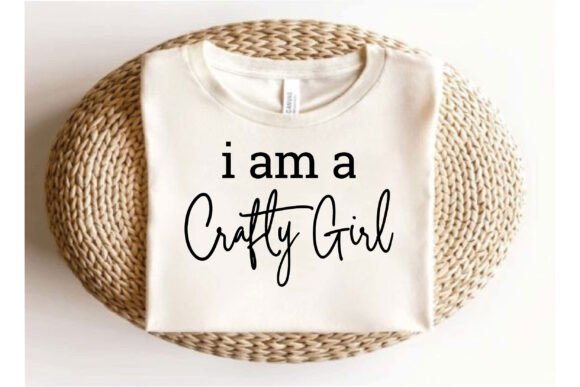
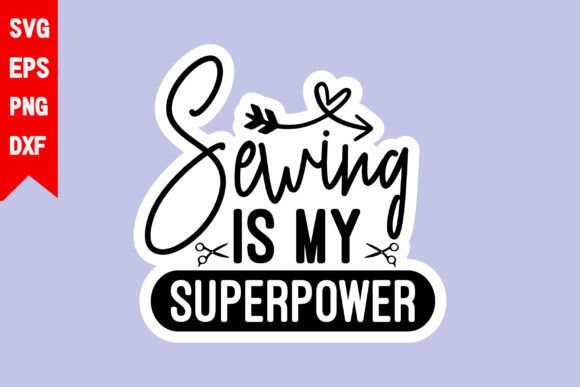
Opening the Sewing Room files, the mood is instantly clear: feminine, artistic, and lifestyle-focused. The designs carry a decorative, often playful sensibility that feels hand-crafted. This isn’t a minimalist corporate vector pack; it’s a collection that whispers of hobbies, creativity, and personal projects. For a publisher, this visual tone is everything. It sets reader perception before a single word is read. Placing one of these graphics as a blog header immediately signals to your audience that the content within is about craftsmanship, DIY culture, or creative living. It builds trust through aesthetic alignment—your site looks like it belongs in the niche it serves.
Real Publishing Workflow: Where Sewing Room Graphics Thrive
Imagine your Monday morning. You’re preparing a blog post about "10 Beginner Sewing Projects," a Pinterest pin for a downloadable pattern, and a banner for your weekly newsletter on sustainable fabric sourcing. This is where a graphic design asset like Sewing Room moves from a ZIP file to an editorial tool.
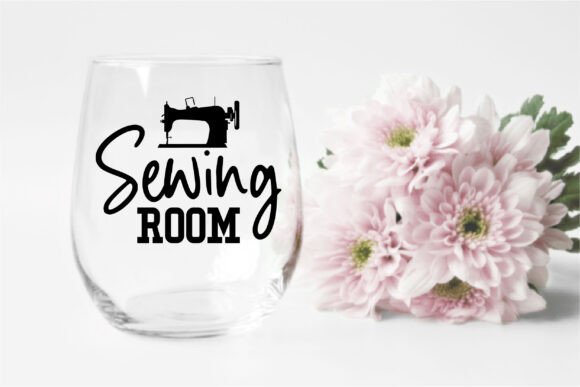
- Blog Featured Images & Article Headers: The designs provide instant visual hierarchy. A central, ornate sewing machine graphic becomes a powerful focal point, letting you overlay a clean, bold headline. This creates a stronger first impression than a generic stock photo.
- Pinterest Graphics & Social Media Previews: For platforms driven by visual click-through, these graphics are gold. Their decorative nature stands out in a crowded feed, promising a specific, valuable content experience—essential for affiliate marketing content or lead magnet promotions.
- Digital Guides & Lead Magnets: An eBook cover or worksheet header adorned with these graphics feels cohesive and professional. It transforms a simple PDF into a polished digital product, reinforcing your brand identity as a source of quality resources.
- Website Banners & Category Thnails: Using a consistent element from the pack across your "Crafts" or "Homemade" category pages creates immediate recognition. Readers develop a visual map of your site, aided by these design assets.
- Canva Templates & Newsletter Graphics: Importing these elements into a template library allows for rapid, consistent creation of content marketing materials, from webinar slides to email headers.
Supporting Content Performance Beyond Decoration
The true value of an asset like Sewing Room lies in performance support. A strong, niche-relevant graphic at the top of a blog post improves reader trust. It says you’ve invested in the content’s presentation. On social media, it offers better click-through potential by being distinctly different from a text-only post. For a small business branding a creative marketplace, it provides more consistent branding across blog graphics, digital ads, and printable designs. Ultimately, it makes your entire content library look intentionally designed, not accidentally assembled.
The Ideal Editorial Environments
Knowing where an asset shines is key to efficient use. For Sewing Room, its sweet spots are visual-first contexts.
- Hero Images & Article Thumbnails: Where the graphic can be large, detailed, and the star of the show.
- Pinterest Pins & Instagram Posts: Platforms that celebrate decorative, eye-catching visuals.
- Content Upgrades & Downloadable Resources: The cover page of a PDF guide, where the design sets the tone for the entire resource.
- Newsletter Headers & Digital Product Covers: Areas requiring a strong, thematic banner to frame the content.
Publisher Notes: Practical Tests for Professional Use
Before committing this asset to a live blog, a seasoned publisher runs practical tests. These checks separate a good download from a reliable graphic design asset.
- Test on Desktop and Mobile: How does the intricate detail render on a small phone screen? Does it become a blurry mess or retain its charm?
- Preview in a Real Blog Layout: Drop it into your actual website template. Does it compete with your sidebar? Does it harmonize with your color scheme?
- Check Thumbnail Readability: Scale it down to the size of a category post thumbnail. Is the core subject still clear?
- Test with Typography: Place it beside various fonts—a clean sans-serif for headlines, a script font for accents, a serif for body text mock-ups. Does it clash or complement?
- Review File Size & Performance: Large, complex vectors can be heavy. Compress images properly for web speed to avoid harming user experience.
- Confirm Commercial Licensing: Crucially, for use on monetized websites, affiliate pages, or paid content products, ensure the license explicitly permits commercial use. Never assume.
Contexts Requiring Careful Application
While versatile, Sewing Room graphics have boundaries. Their decorative, often feminine style means they should be applied thoughtfully in certain scenarios.
- Small Mobile Thumbnails for Text-Heavy Articles: If the article is a dense tutorial, a busy graphic might distract rather than guide.
- Low-Contrast Backgrounds: Placing delicate, fine-lined designs on a faint background can destroy readability.
- Serious Professional Niches: A corporate whitepaper on industrial textile manufacturing is not the right home for this playful asset.
- Minimalist Visual Systems: If your blog’s identity is ultra-clean and sparse, these designs might feel visually noisy.
The Final Asset Evaluation: Polishing Clickable Content
In the end, Sewing Room transitions from a T-shirt design concept to a potent editorial design tool. It supports a publisher’s need to create content that looks polished, feels trustworthy, and performs clickably. By providing a ready-made visual language for the crafting and creative lifestyle niche, it accelerates the production of professional-looking blog graphics, social media visuals, and digital guides. For the blogger, educator, or affiliate marketer in this space, it’s not just a download; it’s a shortcut to stronger visual communication and a more cohesive online presence. Remember, the digital product you unpack is only as valuable as the content it helps you build.