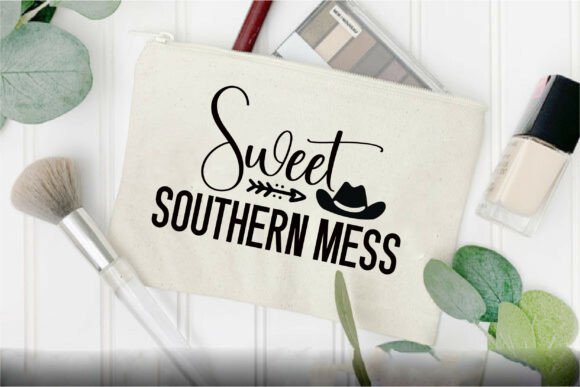
A Designer's Take on the Sweet Southern Mess Embroidery Design
Whenever a new embroidery file lands on my desktop, the first thing I do is imagine it stitched out. Not in a perfect, glossy mockup, but on real fabric—maybe a soft cotton tote or a cozy fleece sweatshirt—with the thread texture and slight imperfections that come with handmade work. That’s the lens I’m using today as I look at Sweet Southern Mess, a design categorized as T-Shirt Designs and Graphics.
The First Impression: Whimsy with a Touch of Nostalgia
Opening the preview, the design immediately strikes a mood. It feels playful, a little rustic, and utterly approachable. The name itself, Sweet Southern Mess, suggests a charming, lived-in quality—the kind of aesthetic that speaks to homemade pies, sun-drenched kitchens, and heartfelt, slightly imperfect gifts. The layout and typography likely lean into this personality, with shapes and details that feel organic rather than rigidly geometric.
For an embroidery designer, this tells me it’s a design that belongs on projects meant to evoke warmth and familiarity. It’s not a corporate logo; it’s a story. I instinctively picture it on a linen apron for a home baker, a tea towel in a farmhouse-style kitchen, or the front of a soft cotton baby bib as a personalized gift. It has that visual personality that turns a simple item into a conversation piece.
Where Sweet Southern Mess Shines: Real Project Fit
Let’s get practical. I’m considering using this for a custom order: an embroidered canvas tote bag for a small boutique. The client wants something that feels uniquely “handmade shop.” Sweet Southern Mess fits that bill perfectly. Its likely decorative elements and thematic lettering would translate into a finished product that looks bespoke and crafted, not mass-produced.
In broader real-life embroidery situations, this design would be a strong candidate for:
- Home and gift items: Pillow covers, blankets, and nursery decor where the theme adds a cozy, personalized touch.
- Apparel with character: Sweatshirts, t-shirts, and caps for a casual, boutique-style look, especially for small business merchandise.
- Kitchen and utility textiles: Aprons, kitchen towels, and even patches for repair and charm on durable goods.
The design’s appeal lies in its ability to elevate the product value through perceived craftsmanship. A customer seeing this stitched onto a item feels they’re getting something with a story, which builds customer trust and engagement for an Etsy seller or creative entrepreneur.
Considerations for Stitching Success
However, a design’s charm on screen doesn’t guarantee stitching clarity on fabric. Based on the description mentioning purposes like monogram making, Sweet Southern Mess might include lettering or finer details. Here’s where an experienced designer’s caution comes in.
This design should be used carefully on:
- Very small hoop sizes: If the design has intricate corners or tiny lettering, shrinking it too much could lead to dense, muddy stitch areas or broken details.
- Highly textured or stretchy fabrics: Fabrics like thick sweaters or thin, stretchy tees can distort organic shapes. Proper stabilizer is non-negotiable here.
- Dark fabric backgrounds: The mood of the design might rely on certain thread color contrasts. Stitching it on black without testing color choices could lose its sweet, light-hearted feel.
- Curved surfaces like caps: Complex layouts can be tricky on curved seams. It’s wise to check the design’s adaptability before committing to a cap project.
The key is to preserve that handmade presentation without letting it become a literal “mess” of tangled threads or unclear motifs.
Professional Notes Before You Hit "Start"
Before I’d ever run this machine embroidery design for a client project or my own craft business items, I follow a disciplined checklist. These notes are crucial for maintaining brand consistency and professionalism in your finished products.
- Test on scrap fabric first. Use the same material and color you plan for the final project. This reveals true stitch density, thread behavior, and detail integrity.
- Check thread color contrast. Run it in both light and dark fabric mockups in your software, even simple black and white previews, to see how the elements hold up.
- Review for dense stitch areas. Look for any sections that might become overly thick, which can affect the fabric drape and durability on items needing frequent washing.
- Confirm your intended hoop size. Ensure the design’s scale works for your product—a large tote bag versus a delicate baby item require different approaches.
- Inspect small details. Zoom in on the file. Are there tiny decorative accents or running stitch elements that might vanish or blur on certain materials?
Finally, and this is critical for commercial embroidery and digital product sellers: the description states it’s a digital download for many purposes. Always confirm the specific licensing before selling finished items or using it in commercial embroidery projects. Understand the terms for personal versus commercial use to protect your business and your customers.
The Final Stitch: A Design with Heart and Practical Potential
Evaluating Sweet Southern Mess from a designer’s workbench perspective, I see a digital embroidery file with strong giftability and recognition factor. It’s a design that, when stitched with care on the right product, can create a lovely, meaningful finished product. It speaks to the maker, the recipient, and the buyer looking for something beyond generic.
Its success hinges on treating it as a design asset, not just a graphic. By pairing it with suitable fabrics, thoughtful sizing, and thorough testing, you transform that sweet, southern idea into a tangible, high-quality embroidered piece—whether for a holiday gift, boutique product, or your next best-selling Etsy listing. That’s the real project use that matters.